The overview
Premium headphones have to solve several different problems at once: carrying easily, staying comfortable, managing interruptions and playing well with a phone or computer. The WH-1000XM6 has a broad feature set, but the presence of a feature is not the same as proof that it works best for you. This review examines its published design and specifications, with a focus on the questions that matter before a purchase.
- Style
- Over-ear wireless headphones
- Battery claim
- Up to 30 hours with noise cancellation on
- Wireless
- Bluetooth 5.3
- Published codecs
- SBC, AAC, LDAC, LC3
What to consider
Look beyond the headline feature
Sony positions noise cancellation at the center of this model. For a commuter, that makes it worth investigating, but cancellation should be auditioned with the kinds of noise you actually encounter. A quiet room, a busy office and public transport present different challenges. We have not measured attenuation, microphone quality or sound response, so we do not assign a lab score or claim a winner against competing headphones.

Packing and wearing are different tests
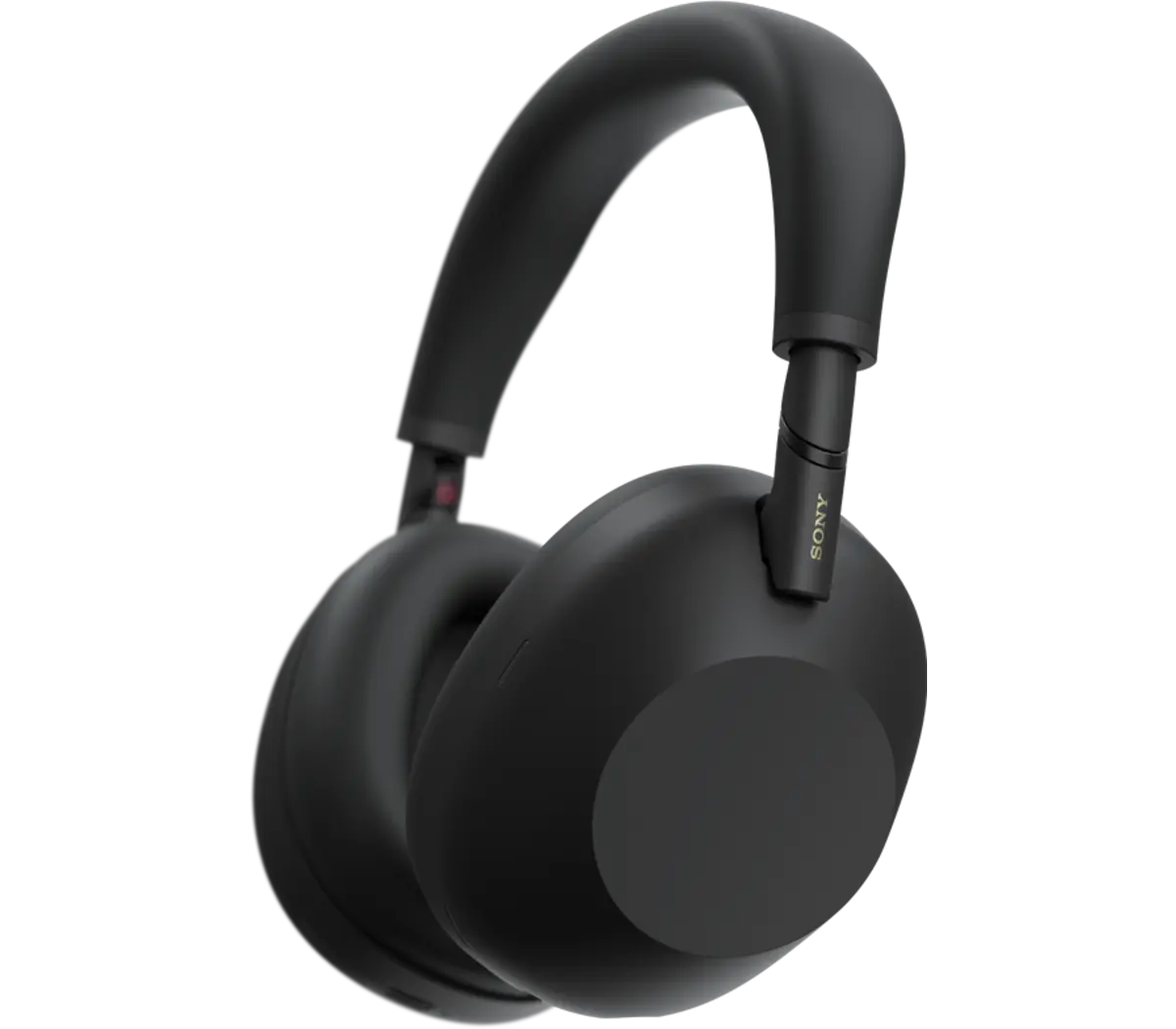
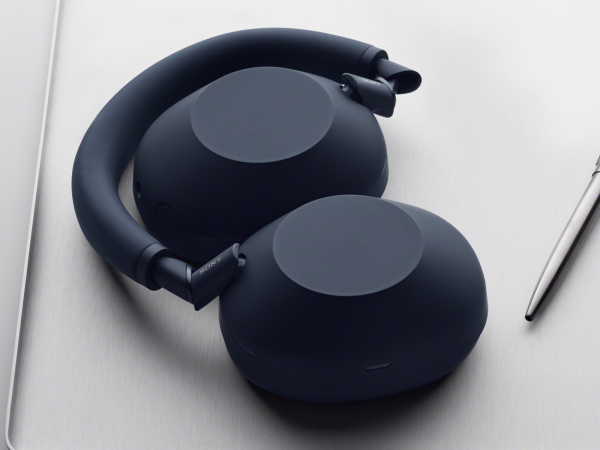
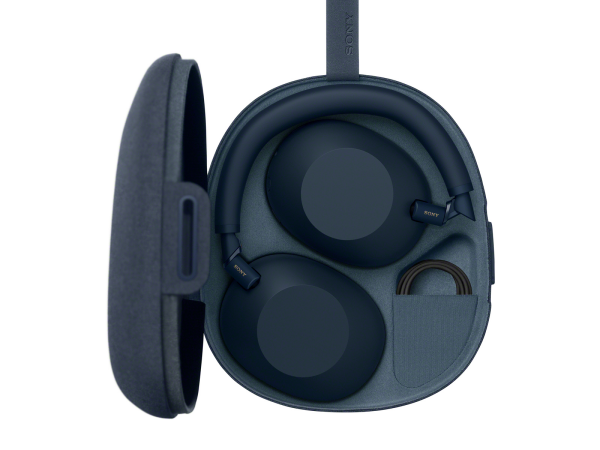
The folding design and carrying case are tangible reasons to put this model on a travel shortlist. What they cannot answer is whether the earcups fit your ears or the headband suits your head. Try the headphones with glasses if you wear them, and pay attention to heat and pressure rather than only the first impression. An attractive product photograph is useful for understanding the shape, not for predicting long-session comfort.
Battery figures need context
Sony publishes up to 30 hours of music playback with noise cancellation enabled and up to 40 with it disabled. These are manufacturer maximums, not our measured results. Your settings and use can change the outcome. When planning for a trip, compare the stated rating with your longest likely listening stretch and check charging arrangements. Codec support also depends on the source device; a listed format is not a promise that every phone will use it.
Choose the daily experience
Before paying for a premium pair, check how you switch between devices, which controls you prefer and whether your usual calls take place in a noisy environment. If possible, audition the XM6 and a competing pair at matched listening levels. A modest difference in fit or controls may matter more over a year of use than a promotional claim.
The strengths and trade-offs
Pros
- Folding construction is useful for a travel shortlist.
- Published codec options offer source-device flexibility.
- Manufacturer battery rating provides a clear comparison point.
Cons
- Comfort and sound preference remain personal.
- Codec availability varies with the source device.
- Noise-cancellation and call performance are not independently tested here.
Who should buy it?
Shortlist the XM6 if you want an over-ear pair for commuting and mixed-device use, and can audition the fit. A lighter, simpler pair may make more sense if you rarely need noise cancellation.
The JINLIM perspective
The conclusion
The WH-1000XM6 deserves attention for its combination of portability and features. The final decision should follow a fit check and a realistic price comparison, not an unverified promise of universally better sound.
View official specificationsSources & image credits
Manufacturer information checked October 19, 2026. Prices, stock, compatibility and software support can change. Verify the exact model and your region before ordering.
All four product images on this page are credited in their captions. Full image provenance. No retailer commissions are configured in this launch edition.