The overview
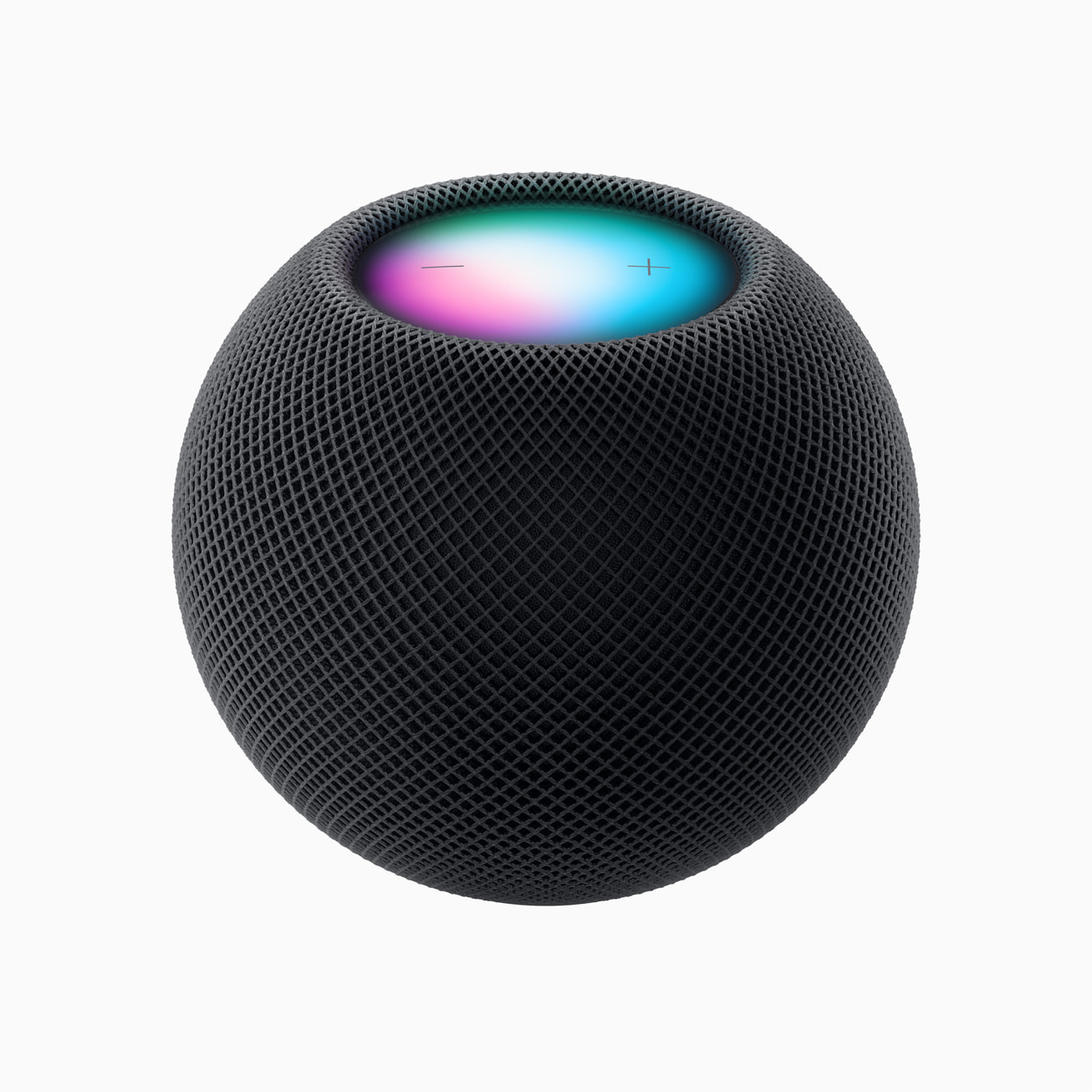
A smart speaker is only as useful as the routines it can join. The original HomePod mini is a good example: its small enclosure can be appealing on a shelf, but the more important question is how well your phone, music services and smart-home accessories work together. This article covers the original generation shown in Apple’s 2020 and 2024 materials, not a later-generation model.
- Generation covered
- Original model; 2020–2024 imagery
- Product type
- Mains-powered smart speaker
- Voice assistant
- Siri
- Best starting point
- An existing Apple-centered household
What to consider
Start with your household
Apple describes Siri control and integration with its home and music features. That gives an Apple-centered household a clear reason to investigate the speaker. A mixed household should be more cautious: make a list of the devices and services each person actually uses. Do not assume that a feature available through one platform will behave identically through another, or that everyone wants to use the same assistant.
A small speaker still needs a place
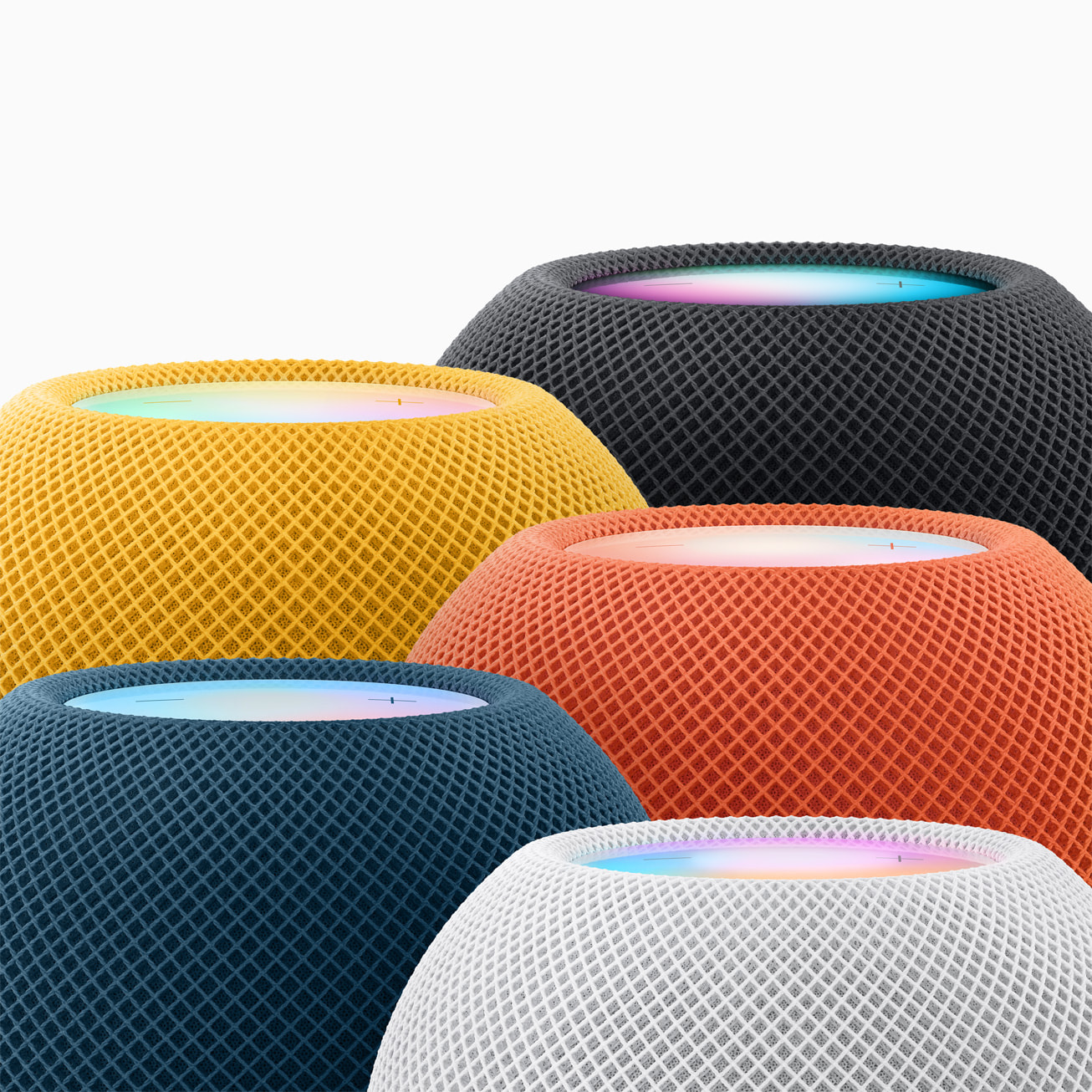
Compact dimensions make placement easier, but they do not eliminate the practical questions. Decide where the power cable will run, whether voice commands are appropriate in that room and whether the speaker will be close to the people using it. If your goal is critical listening or room-filling bass, compare with equipment chosen specifically for that job. We have not measured acoustic output or compared its sound in a listening room.
Think in routines, not accessories
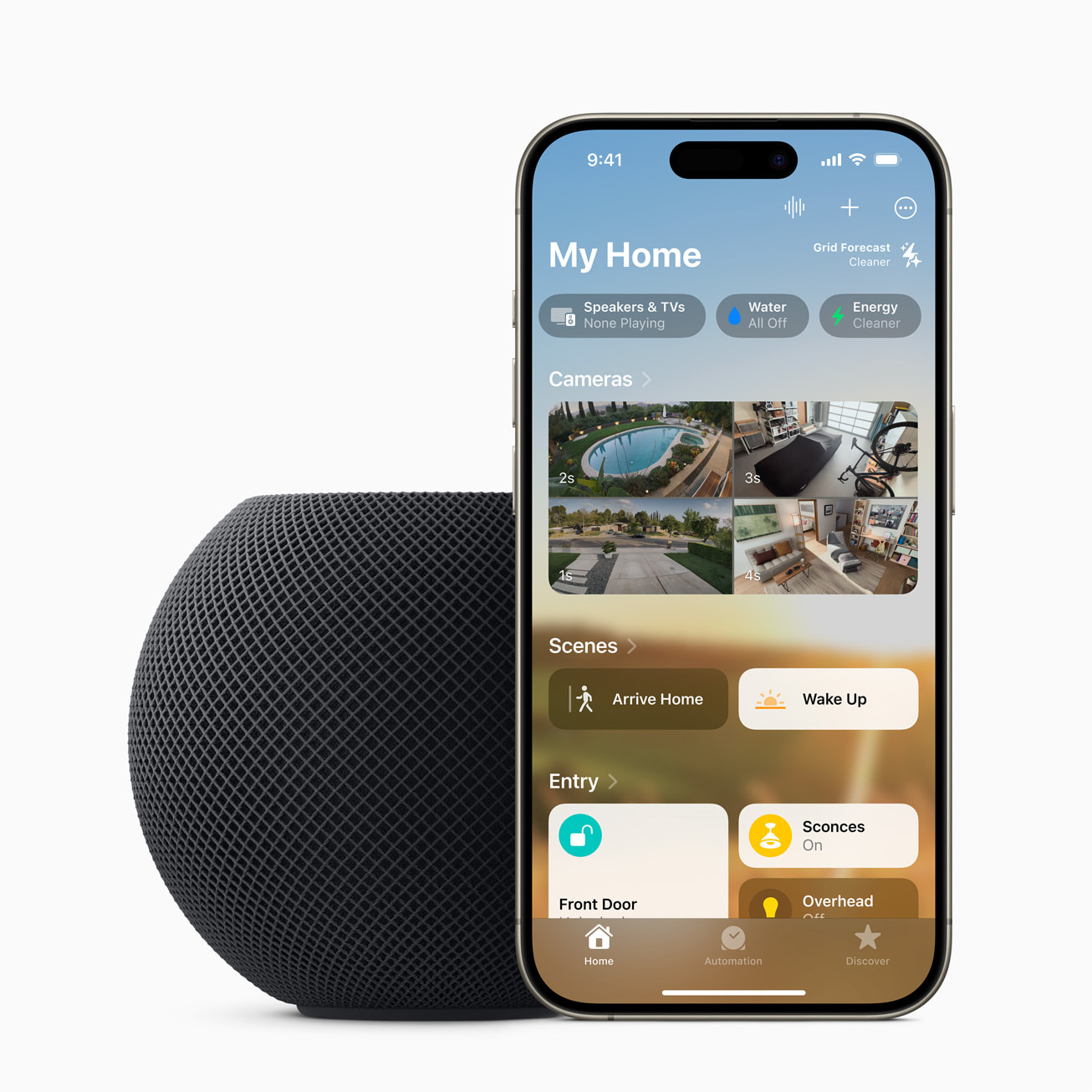
A useful first routine is usually simple: playing a familiar source, controlling one compatible lamp or setting a timer. Confirm the current compatibility and setup requirements for the exact accessories you own before expanding. Buying several devices at once can make troubleshooting harder because it becomes unclear which connection or service is responsible. Start with one use case that you will repeat every day.
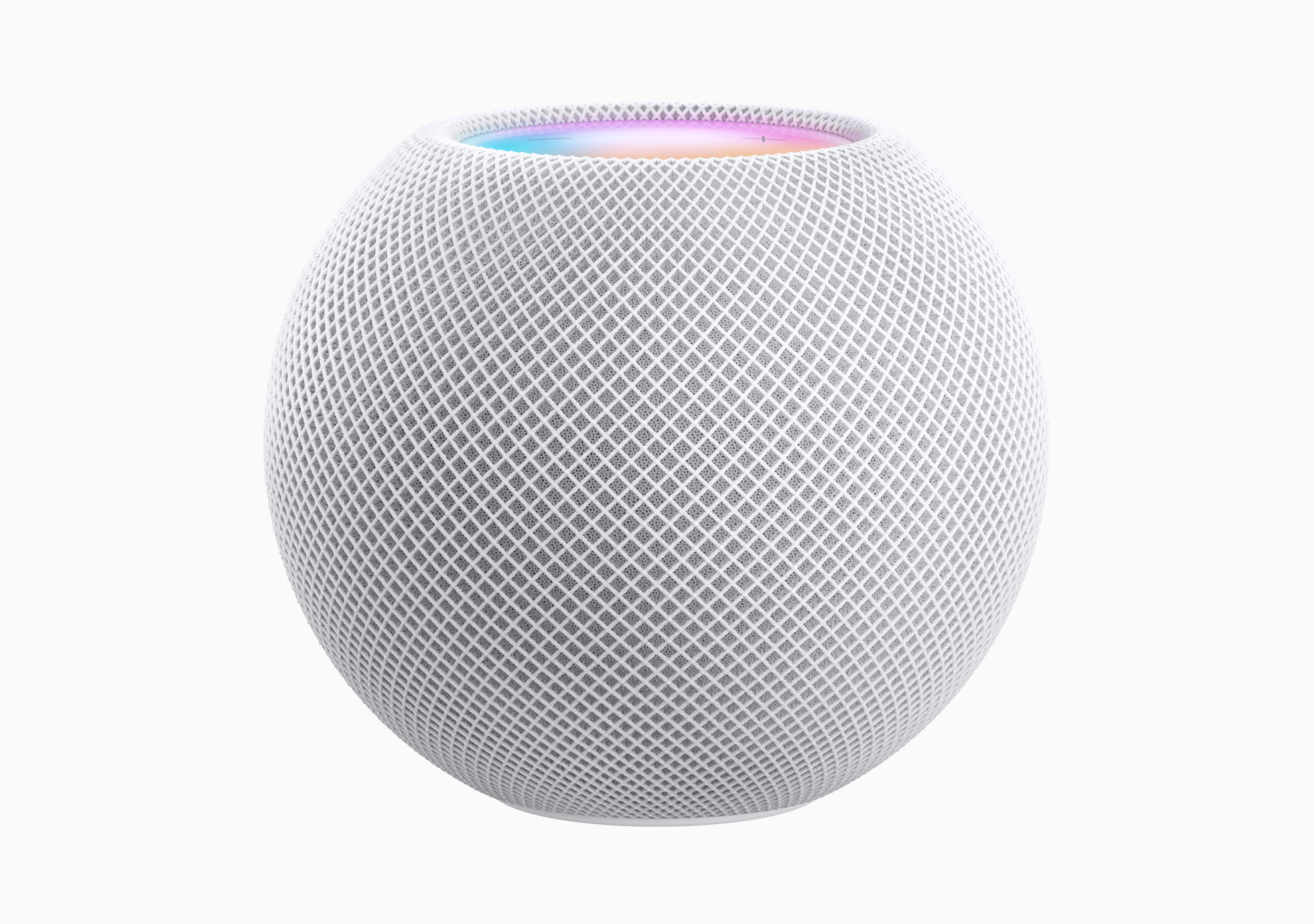
Check the generation before paying
The name alone is not enough to identify the product in a listing. Check the generation, condition, included power equipment and current software support. These photos document the original model and should not be used to infer the features of a successor. Compare an older model’s real total cost with current alternatives, especially when the seller offers a limited return window.
The strengths and trade-offs
Pros
- Compact format is easy to consider for smaller spaces.
- Siri and Apple-home integration suit an existing Apple setup.
- A focused single-room routine can be a manageable starting point.
Cons
- Its usefulness depends heavily on ecosystem compatibility.
- It needs continuous access to mains power.
- Older listings require careful generation and support checks.
Who should buy it?
Consider the original HomePod mini for a clearly defined routine in an Apple-centered home, particularly if the exact unit is well priced and supported. Do not choose it solely as a generic speaker for every phone and service.
The JINLIM perspective
The conclusion
The strongest reason to buy this original-generation speaker is a routine it can already support in your home. Confirm that routine and the exact model before judging the value of an older listing.
View official specificationsSources & image credits
Manufacturer information checked October 19, 2026. Prices, stock, compatibility and software support can change. Verify the exact model and your region before ordering.
- Apple: original-generation HomePod mini in midnight, July 2024
- Additional official product background
All four product images on this page are credited in their captions. Full image provenance. No retailer commissions are configured in this launch edition.